
By CrossBorder IP · Published August 21, 2025
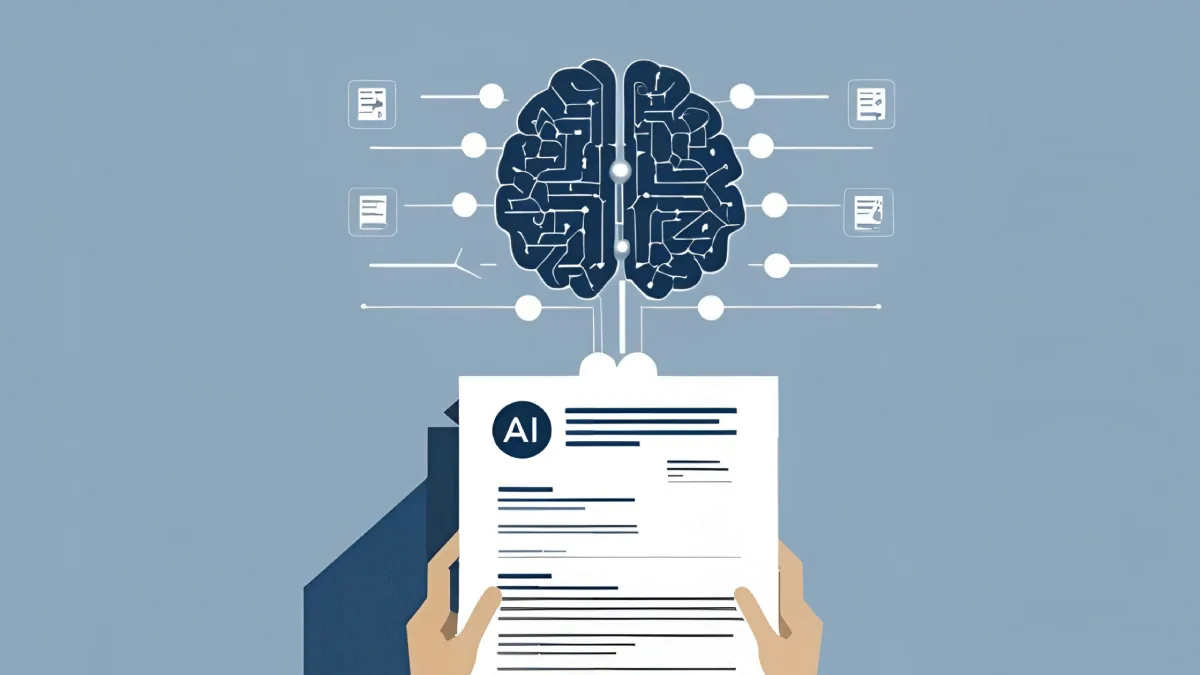
As artificial intelligence (AI) systems continue to advance, businesses across different industries are confronting a legal question: Can AI be recognized as an inventor in a patent application? The implications are far-reaching — especially for startups, research-heavy companies, and technology-driven businesses that rely on patent protection for competitive advantage. This article explores the current global landscape, the legal and strategic issues at stake, and what companies should watch out for when using AI tools in innovation.
The Rise of AI-Generated Inventions
AI tools - from generative design platforms to bioinformatics engines - are now capable of meaningfully contributing to product development, drug discovery, materials science, and even code generation. In some instances, AI's role is not just supportive but core to the inventive concept. While AI can "generate" novel outputs, the legal systems in most, if not all jurisdictions, around the world require that an inventor be a natural person.
Legal and Strategic Implications for Companies
Even if AI contributes materially to an invention, companies must navigate the following practical and legal considerations:
Avoid Listing AI as the Inventor
In most jurisdictions, doing so will result in a rejection or invalidation of the patent application. For instance, inventorship rejections in the US. may arise under 35 U.S.C. 100(f) and 101. The human who directed, selected, or interpreted the AI's output should be named as the inventor — assuming they satisfy inventorship criteria under national law.
Document Human Inventive Contribution
If AI is used in R&D, carefully document:
- The role of the human researcher in prompting or curating AI outputs
- Decisions made based on AI-generated insights
- How inventive concepts were selected or refined by humans
These records will be critical in defending inventorship during prosecution, Post grant review, or litigation.
Review Employment and IP Assignment Clauses
Many standard employment agreements do not contemplate AI-assisted inventorship. Consider updating contracts to:
- Clarify IP ownership of AI-generated outputs
- Address tools used and data inputs involved
- Confirm rights assignment from employees using AI in their workflows
Avoid Inventorship Gaps in AI Development
AI-generated inventions risk being unpatentable if no human qualifies as an inventor under current laws. In such cases, companies should explore:
- Trade secret protection as an alternative
- Design or copyright protection, where applicable
Emerging Legal Developments to Monitor
Global Law Reforms
WIPO and several national patent offices are studying the inventorship question. While the near-term consensus favors human inventorship, longer-term legislative reform is possible, particularly as AI becomes more autonomous.
Disclosure and Enablement Challenges
If AI was involved in the invention, consider how that affects:
- Sufficiency of disclosure
- Best mode requirements
- Inventive step/non-obviousness arguments
Failure to address AI's role transparently could undermine enforceability later.
Best Practices for AI-Assisted Innovation
AI tools are transforming how we invent — but legal systems still center around human authorship. Businesses should take care not to overstate the role of AI or misattribute inventorship, which can render patents invalid or unenforceable.
Best practices suggest that at least one qualified human can be credibly named as inventor, supported by documentation and internal procedures. As the law evolves, staying ahead of global policy shifts will be key for companies that innovate using AI.
The most successful approach involves establishing clear protocols before AI tools are deployed in R&D processes, ensuring that human contributions are properly documented and that inventorship determinations can be made confidently when patent applications are filed.
Need help navigating AI inventorship and patent strategy? We advise startups, R&D teams, and technology-driven enterprises on protecting AI-assisted inventions across the U.S., EU, and international markets. Reach out to us at CrossBorder IP for a consultation on aligning your IP practices with emerging AI legal frameworks.